How Responsibility Changed Hands During Classic Table Sessions
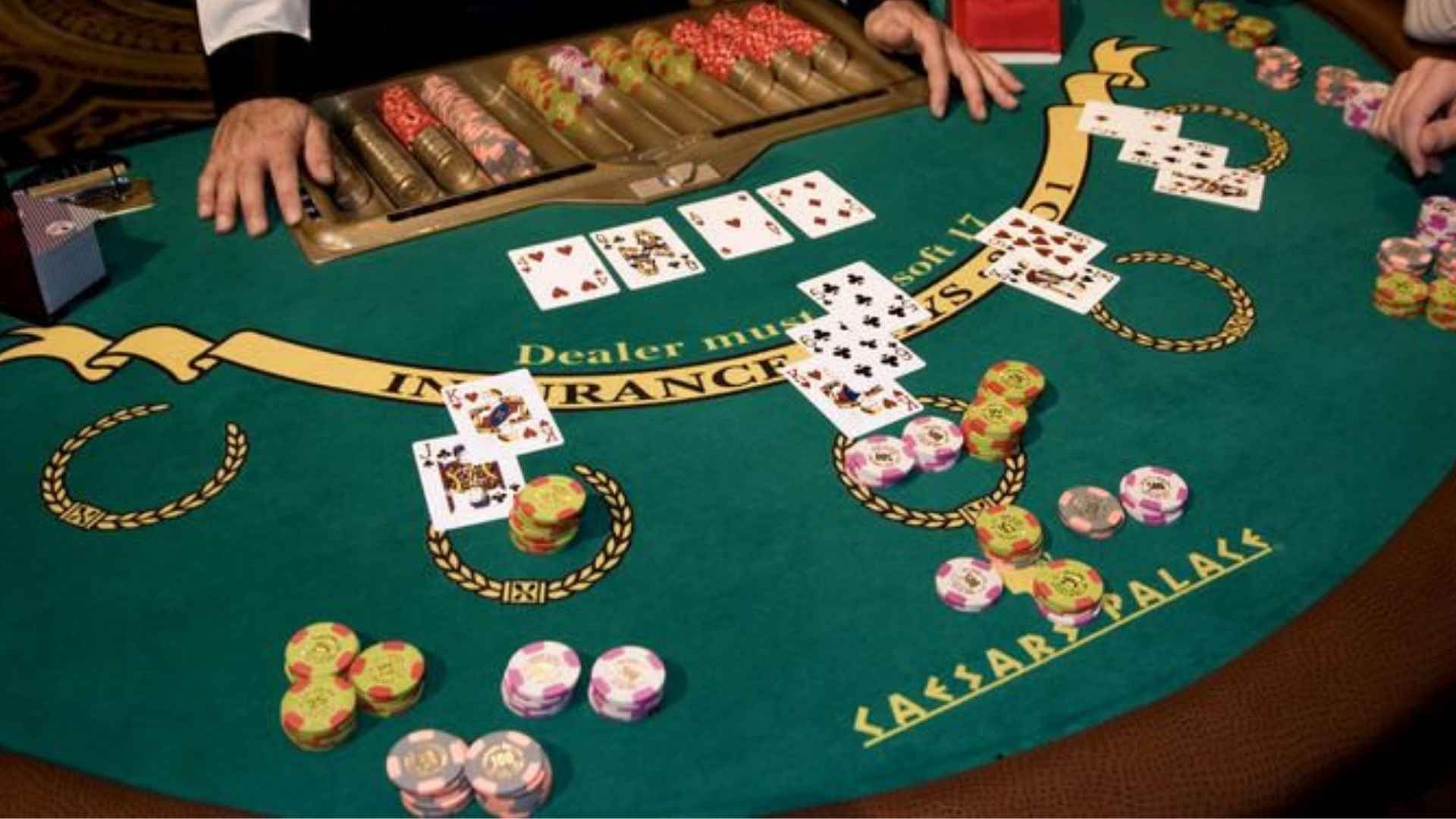
The history of traditional card games offers a captivating look into how early gaming communities managed risk and administrative duties during live play. Long before corporate institutions completely centralized casino floors, the operational burdens of running a game were frequently shared directly among the participants. This fluid dynamic transformed standard card sessions into deeply collaborative social rituals where the roles of authority shifted from one player to the next.
The Shared Custody of Early Gaming Capital
In classical European salons, holding the bank was considered both a massive financial liability and a prestigious privilege. Instead of playing against a fixed house dealer, participants took turns funding and managing the table stakes based on formal rotational rules. This active transfer of accountability meant that a single individual was temporarily responsible for securing the game integrity and covering all active wagers.
As the cards circulated, the psychological pressure shifted dynamically around the kidney-shaped wooden tables. Every new banker had to assess the room layout and monitor the financial choices of their peers with immense concentration. This structural framework ensured that no single participant carried the financial exposure for an indefinite period, maintaining a unique social balance.
How Positional Shifts Impacted Tactical Decisions
The physical movement of the dealing shoe created a constantly changing environment where situational awareness was highly rewarded. Players had to adapt their wagering strategy based on their current proximity to the active banker position. Sitting closer to the dealer or acting later in the sequence provided distinct operational advantages regarding information gathering.
Enthusiasts looking to study how modern gaming platforms adapt these classic rules can use an m88 login to explore various virtual table environments. Contemporary digital layouts often simulate these traditional sequences while utilizing automated software to handle the mathematical calculations instantly. This allows modern players to experience the historic pacing of card games without needing to manually track complex banking liabilities.
The Refinement of Protocols in French Salons
During the nineteenth century, private clubs across France established strict behavioral guidelines to govern the transfer of table authority. Games like Chemin de Fer formalized the passing of the bank, making the transition a focal point of social etiquette. Participants used subtle hand gestures and precise card placements to signal their willingness to accept or pass the operational burden.
These refined protocols minimized verbal communication and helped maintain an atmosphere of quiet respect among high-society gamblers. If a banker experienced a series of losses, the obligation to fund the next round automatically passed to the next willing participant. This elegant system prevented any single individual from facing financial ruin while keeping the game moving at a steady pace.
The Transition to Modern Automated Structures
As gambling rooms evolved into commercial casino industries, the dynamic of player-controlled banking gradually vanished from standard gaming floors. Corporate venues introduced professional croupiers to permanently manage the table funds, prioritizing transactional speed and regulatory standardization. While this modern shift maximized operational efficiency, it fundamentally altered the communal atmosphere that defined early card games.
Understanding how responsibility once changed hands helps contemporary enthusiasts appreciate the rich heritage behind basic card-comparing mechanics. The historical legacy of shared risk continues to inspire the mathematical balance and structural rules found in modern gaming formats worldwide.